
Using Technology in Teaching: Benefits, Challenges, and Best Practices
Using Technology in Teaching: Transforming Education for the Modern Classroom
Introduction
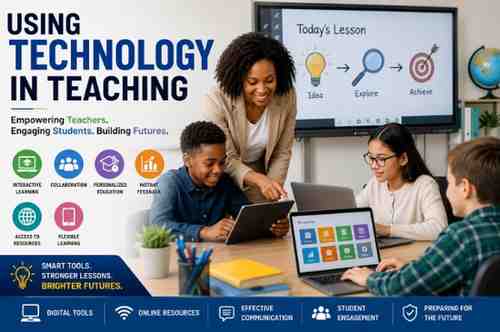
Technology has become an integral part of everyday life, influencing how we communicate, work, shop, and learn. In the education sector, technological advancements have transformed traditional teaching methods, creating new opportunities for both teachers and students. From interactive whiteboards and educational apps to artificial intelligence and virtual classrooms, technology is reshaping the learning experience in remarkable ways.
The integration of technology into teaching is no longer a luxury—it is becoming a necessity in today's digital world. Modern learners are growing up surrounded by technology, making it important for educators to adapt their teaching strategies to meet students' evolving needs and expectations.
When used effectively, technology can enhance engagement, improve collaboration, personalize learning, and prepare students for future careers. However, successful implementation requires thoughtful planning, proper training, and a clear understanding of educational goals.
This article explores the benefits, challenges, and best practices of using technology in teaching, highlighting how educators can leverage digital tools to create meaningful learning experiences.
The Evolution of Technology in Education
Education has undergone significant changes over the years. Traditional classrooms once relied heavily on textbooks, chalkboards, and face-to-face lectures. While these methods remain valuable, technological innovations have expanded the possibilities for teaching and learning.
Today, classrooms may include:
- Interactive whiteboards
- Tablets and laptops
- Learning management systems
- Educational apps
- Online learning platforms
- Virtual reality tools
- Artificial intelligence applications
These technologies provide students with greater access to information and offer teachers new ways to deliver instruction.
Why Technology Matters in Teaching
Technology supports education in multiple ways. It helps bridge learning gaps, improves communication, and creates opportunities for students to engage with content more effectively.
Some key reasons technology matters include:
- Increased access to information
- Enhanced student engagement
- Personalized learning opportunities
- Improved collaboration
- Greater flexibility in learning
- Development of digital skills
As workplaces become increasingly technology-driven, digital literacy is now an essential skill for students.
Benefits of Using Technology in Teaching
1. Increased Student Engagement
Keeping students engaged is one of the biggest challenges educators face.
Technology can make lessons more interactive and enjoyable through:
- Educational games
- Videos and animations
- Interactive quizzes
- Simulations
- Multimedia presentations
Interactive content captures students' attention and encourages active participation.
When learning becomes engaging, students are often more motivated to participate and retain information.
2. Personalized Learning Experiences
Every student learns differently.
Some students learn quickly, while others may need additional support. Technology allows teachers to personalize instruction based on individual learning needs.
Adaptive learning platforms can:
- Assess student performance
- Identify strengths and weaknesses
- Recommend targeted learning activities
- Adjust difficulty levels automatically
This personalized approach helps students learn at their own pace and improves academic outcomes.
3. Improved Access to Educational Resources
Technology provides students with access to vast amounts of information.
Instead of relying solely on textbooks, learners can access:
- Digital libraries
- Educational websites
- Online courses
- Research databases
- Video tutorials
This access expands learning opportunities beyond the classroom and encourages independent learning.
4. Enhanced Collaboration
Technology makes collaboration easier than ever.
Students can work together using:
- Shared documents
- Online discussion forums
- Video conferencing tools
- Collaborative learning platforms
These tools encourage teamwork, communication, and problem-solving skills.
Collaborative learning also helps students develop important interpersonal skills that are valuable in future careers.
5. Better Communication
Technology improves communication between:
- Teachers and students
- Schools and parents
- Students and peers
Learning management systems and communication apps allow educators to:
- Share announcements
- Distribute assignments
- Provide feedback
- Monitor student progress
Improved communication helps create stronger learning communities.
6. Flexible Learning Opportunities
Technology allows learning to occur anytime and anywhere.
Students can:
- Review lessons at home
- Access learning materials online
- Participate in virtual classrooms
- Learn at their own pace
This flexibility is particularly beneficial for distance learning and students with unique scheduling needs.
Popular Technologies Used in Teaching
Learning Management Systems (LMS)
Learning management systems help organize and deliver educational content.
Examples include:
- Google Classroom
- Moodle
- Canvas
These platforms allow teachers to manage assignments, assessments, and communication efficiently.
Interactive Whiteboards
Interactive whiteboards make lessons more dynamic by allowing teachers to:
- Display multimedia content
- Annotate materials
- Conduct interactive activities
They encourage student participation and make lessons visually engaging.
Educational Apps
Thousands of educational apps support learning across various subjects.
These apps can help students:
- Practice skills
- Complete assignments
- Learn new concepts
- Track progress
Many apps also incorporate gamification elements that make learning fun.
Video Conferencing Tools
Virtual learning has become increasingly common.
Tools such as video conferencing platforms enable:
- Remote instruction
- Virtual meetings
- Online discussions
- Guest speaker sessions
These tools help maintain educational continuity regardless of location.
Also see👇👇👇
Technology and Student-Centered Learning
Traditional teaching often focuses on the teacher as the primary source of information.
Technology supports a more student-centered approach by encouraging:
- Exploration
- Creativity
- Problem-solving
- Independent learning
Students can actively participate in their learning rather than simply receiving information.
This shift promotes deeper understanding and critical thinking skills.
Preparing Students for the Future
The modern workforce increasingly depends on technology.
By integrating technology into teaching, educators help students develop skills such as:
- Digital literacy
- Communication
- Collaboration
- Research skills
- Critical thinking
- Adaptability
These competencies are essential for success in higher education and future careers.
Technology and Inclusive Education
Technology can help make education more accessible for diverse learners.
Students with disabilities may benefit from:
Text-to-Speech Tools
These tools assist students with reading difficulties and visual impairments.
Speech Recognition Software
Allows students to interact with devices using voice commands.
Closed Captioning
Supports learners with hearing impairments.
Translation Tools
Help multilingual students access educational content.
These technologies promote inclusion and equal learning opportunities.
Challenges of Using Technology in Teaching
While technology offers many advantages, it also presents challenges.
Limited Access to Devices
Not all students have access to computers, tablets, or reliable internet connections.
This digital divide can create inequalities in learning opportunities.
Teacher Training Requirements
Successful technology integration requires proper training.
Teachers need support to:
- Learn new tools
- Adapt lesson plans
- Manage digital classrooms
Without adequate training, technology may not be used effectively.
Distractions
Technology can sometimes distract students from learning.
Social media, games, and unrelated websites may reduce focus if not managed appropriately.
Technical Issues
Equipment failures and internet connectivity problems can disrupt lessons and create frustration.
Schools should have backup plans in place to minimize disruptions.
Best Practices for Using Technology in Teaching
Start with Learning Goals
Technology should support educational objectives rather than replace them.
Before selecting a tool, ask:
- What learning outcome am I trying to achieve?
- How will this technology enhance learning?
Use Technology Purposefully
Avoid using technology simply because it is available.
Choose tools that add genuine educational value.
Encourage Active Participation
Students should actively engage with technology rather than passively consume content.
Interactive activities often produce better learning outcomes.
Balance Technology and Traditional Methods
Technology works best when combined with effective teaching practices.
Books, discussions, hands-on activities, and face-to-face interaction remain important components of education.
Promote Digital Citizenship
Students should learn how to use technology responsibly.
Digital citizenship includes:
- Online safety
- Respectful communication
- Information literacy
- Ethical technology use
Teaching these skills prepares students to navigate the digital world responsibly.
The Future of Technology in Teaching
Technology continues to evolve rapidly.
Emerging trends include:
Artificial Intelligence
AI-powered tools can provide personalized learning experiences and automate administrative tasks.
Virtual Reality (VR)
VR creates immersive learning experiences that allow students to explore concepts in new ways.
Augmented Reality (AR)
AR overlays digital information onto the physical world, enhancing learning experiences.
Learning Analytics
Data-driven insights help educators monitor progress and identify areas where students need support.
These innovations have the potential to further transform education in the coming years.
The Role of Teachers in a Technology-Driven Classroom
Despite technological advancements, teachers remain essential.
Technology cannot replace the human qualities educators provide, including:
- Empathy
- Motivation
- Mentorship
- Classroom management
- Emotional support
Teachers guide students, foster relationships, and create learning environments that technology alone cannot replicate.
The most effective classrooms combine innovative technology with skilled teaching.
Conclusion
Technology has transformed education by creating new opportunities for teaching and learning. From personalized instruction and increased engagement to improved collaboration and accessibility, digital tools offer numerous benefits for students and educators alike.
However, technology should be viewed as a tool rather than a solution in itself. Successful implementation requires thoughtful planning, teacher training, and a focus on educational goals.
As technology continues to evolve, educators who embrace innovation while maintaining strong teaching practices will be best positioned to prepare students for success in an increasingly digital world.
By using technology effectively, teachers can create dynamic, inclusive, and engaging learning experiences that empower students to thrive both academically and professionally.

About the Author:
Femi Victor(Techland Dynamic) is an experienced EdTech consultant and web developer with over 10 years of experience in creating digital learning tools for Nigerian schools. He is passionate about simplifying complex educational data and helping students navigate the admission process.


Comments
No comments yet.