
Signs Your Child Is Struggling Academically: 10 Warning Signs Parents Should Know
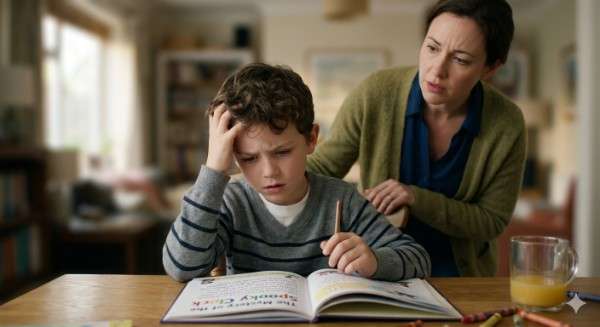
Signs Your Child Is Struggling Academically: What Every Parent Should Know
Introduction
Every parent wants their child to succeed in school. However, academic struggles can sometimes develop gradually, making them difficult to notice at first. While occasional challenges are normal, persistent difficulties may indicate that a child needs additional support.
Recognizing the warning signs early can help parents address problems before they become more serious. Whether the issue is related to learning difficulties, lack of motivation, emotional challenges, or ineffective study habits, early intervention can make a significant difference.
In this article, we'll explore the common signs that your child may be struggling academically and practical steps you can take to help them succeed.
Why Early Identification Matters
Academic difficulties rarely disappear on their own. When left unaddressed, they can affect a child's confidence, motivation, and overall attitude toward learning.
Identifying challenges early allows parents and educators to:
- Provide timely support
- Improve learning outcomes
- Prevent frustration and anxiety
- Build confidence and self-esteem
- Develop effective learning strategies
The sooner concerns are recognized, the easier they are often to address.
1. Declining Grades
One of the most obvious indicators of academic struggles is a noticeable drop in grades.
While a single poor test score may not be cause for concern, consistently lower grades across multiple subjects could signal a deeper issue.
What Parents Should Do
- Review report cards regularly.
- Speak with teachers about performance trends.
- Identify subjects where difficulties are most common.
2. Lack of Interest in School
Children who are struggling academically may begin to lose interest in school activities.
You may notice your child:
- Complaining about school frequently
- Avoiding discussions about classes
- Showing little enthusiasm for learning
A sudden change in attitude may indicate frustration or difficulty keeping up with coursework.
3. Difficulty Completing Homework
Homework provides insight into a child's understanding of classroom material.
Warning signs include:
- Taking unusually long to finish assignments
- Frequently forgetting homework
- Requiring excessive help from parents
- Avoiding assignments altogether
These behaviors may suggest challenges with comprehension, organization, or focus.
4. Poor Concentration and Attention
Difficulty paying attention can significantly impact academic performance.
Children who struggle academically may:
- Become easily distracted
- Daydream during study sessions
- Have trouble following instructions
- Frequently lose track of tasks
Consistent concentration problems should not be ignored.
5. Declining Confidence
Academic struggles often affect a child's self-esteem.
You might hear statements such as:
- "I'm not smart enough."
- "I can't do this."
- "Everyone else is better than me."
Negative self-talk can indicate frustration and discouragement resulting from repeated academic challenges.
6. Avoiding Reading or Studying
Children who find learning difficult often avoid activities associated with school.
Common signs include:
- Refusing to read
- Delaying study sessions
- Making excuses to avoid schoolwork
- Becoming upset when asked to study
Avoidance behaviors can signal that learning has become stressful or overwhelming.
7. Frequent Complaints About School
Children may express their struggles indirectly.
Watch for recurring complaints such as:
- "School is boring."
- "My teacher doesn't like me."
- "I hate this subject."
While occasional complaints are normal, persistent negativity may indicate academic difficulties.
8. Behavioral Changes
Academic stress can sometimes affect behavior.
You may notice:
- Irritability
- Mood swings
- Increased frustration
- Withdrawal from family activities
Behavioral changes often reflect underlying stress or anxiety related to school performance.
9. Poor Organizational Skills
Organization plays a critical role in academic success.
Children who struggle academically may:
- Frequently lose books or assignments
- Forget important deadlines
- Have messy school materials
- Struggle to manage their time
Developing organizational skills can often improve academic performance significantly.
10. Teachers Express Concerns
Teachers spend many hours observing students and are often among the first to notice academic difficulties.
Pay attention if teachers mention:
- Incomplete assignments
- Lack of participation
- Difficulty understanding lessons
- Falling behind classmates
Teacher feedback can provide valuable insight into areas where support is needed.
Common Causes of Academic Struggles
Several factors can contribute to learning difficulties, including:
Learning Challenges
Some children may have learning differences that affect reading, writing, mathematics, or information processing.
Lack of Study Skills
Many students struggle because they have not yet developed effective learning habits.
Emotional Factors
Stress, anxiety, family issues, or low self-confidence can affect academic performance.
Health Issues
Sleep problems, vision difficulties, hearing issues, and poor nutrition can impact concentration and learning.
How Parents Can Help
Communicate Openly
Create a supportive environment where your child feels comfortable discussing school challenges.
Establish a Study Routine
Consistent study schedules can improve focus and productivity.
Work With Teachers
Regular communication with teachers helps identify concerns and monitor progress.
Celebrate Effort
Focus on progress and effort rather than only grades.
Seek Additional Support When Needed
Tutoring, mentoring, or educational assessments may help identify and address specific challenges.
When to Seek Professional Help
If academic difficulties persist despite support at home and school, it may be beneficial to consult:
- Educational specialists
- School counselors
- Learning support professionals
- Child psychologists when appropriate
Professional guidance can help uncover underlying issues and provide targeted solutions.
Conclusion
Every child faces academic challenges from time to time. However, persistent struggles should never be ignored. Recognizing the warning signs early can help parents provide the support their children need to thrive academically and emotionally.
By maintaining open communication, working closely with teachers, and responding proactively to concerns, parents can help their children overcome obstacles and build confidence in their learning journey.
Remember, academic struggles do not define a child's potential. With the right support, encouragement, and resources, every child can develop the skills needed for long-term success.

About the Author:
Femi Victor(Techland Dynamic) is an experienced EdTech consultant and web developer with over 10 years of experience in creating digital learning tools for Nigerian schools. He is passionate about simplifying complex educational data and helping students navigate the admission process.



Comments
No comments yet.