
How to Overcome Procrastination and Improve Productivity
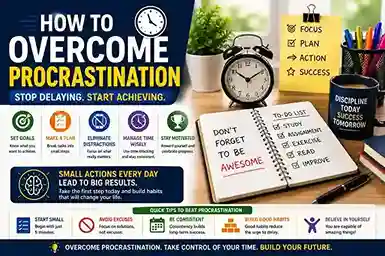
How to Overcome Procrastination: Practical Strategies to Stay Focused and Get Things Done
Introduction
Almost everyone procrastinates at some point. Whether it's delaying homework, putting off studying for an exam, postponing an important work project, or avoiding household responsibilities, procrastination is a common challenge that affects students, professionals, and entrepreneurs alike.
While taking occasional breaks is healthy, consistently delaying important tasks can lead to stress, missed opportunities, lower productivity, and poor academic or career performance. The good news is that procrastination is not a permanent habit. With the right strategies and mindset, anyone can overcome it and become more productive.
In this article, you'll learn what procrastination is, why people procrastinate, its effects on success, and practical techniques that can help you stop delaying important tasks and start achieving your goals.
What Is Procrastination?
Procrastination is the habit of delaying or postponing tasks that need to be completed, often replacing them with less important or more enjoyable activities.
Examples include:
- Watching videos instead of studying.
- Scrolling through social media instead of completing assignments.
- Delaying project deadlines until the last minute.
- Postponing important decisions.
Although procrastination may provide temporary relief, it usually increases stress and makes tasks more difficult over time.
Why Do People Procrastinate?
Understanding the causes of procrastination is the first step toward overcoming it.
Fear of Failure
Many people delay tasks because they worry about making mistakes or not meeting expectations.
Perfectionism
Waiting for the "perfect time" or trying to make everything perfect often leads to unnecessary delays.
Lack of Motivation
When tasks seem boring or difficult, people naturally feel less motivated to begin.
Feeling Overwhelmed
Large or complex tasks can seem intimidating, making it tempting to avoid them altogether.
Poor Time Management
Without a clear schedule or priorities, it's easy to waste time on less important activities.
Distractions
Social media, mobile phones, television, and constant notifications can interrupt focus and encourage procrastination.
The Effects of Procrastination
Procrastination may seem harmless at first, but repeated delays can have serious consequences.
Some common effects include:
- Increased stress and anxiety
- Lower academic performance
- Missed deadlines
- Reduced productivity
- Poor work quality
- Loss of opportunities
- Reduced self-confidence
Breaking the habit can improve both personal and professional success.
How to Overcome Procrastination
1. Set Clear Goals
Clear goals provide direction and motivation.
Instead of saying:
"I'll study later."
Say:
"I'll study Mathematics for one hour starting at 4:00 PM."
Specific goals are easier to follow.
2. Break Large Tasks into Smaller Steps
Big projects often feel overwhelming.
Divide them into smaller, manageable tasks.
For example:
Instead of:
"Write a research paper."
Break it into:
- Choose a topic.
- Research information.
- Create an outline.
- Write the introduction.
- Complete each section.
- Edit and proofread.
Small achievements build momentum.
3. Use the Two-Minute Rule
If a task takes less than two minutes, do it immediately.
Examples include:
- Replying to an email.
- Organizing your study desk.
- Filing important documents.
Completing small tasks quickly prevents unnecessary accumulation.
4. Prioritize Important Tasks
Not every task deserves equal attention.
Use a priority system such as:
- Urgent and important
- Important but not urgent
- Less important
- Can be postponed or delegated
Working on high-priority tasks first increases productivity.
5. Create a Daily Schedule
Planning your day reduces decision fatigue.
Include:
- Study time
- Work periods
- Breaks
- Exercise
- Personal activities
A structured schedule makes it easier to stay on track.
6. Eliminate Distractions
Identify what usually interrupts your focus.
Common distractions include:
- Mobile phones
- Social media
- Television
- Noise
- Unnecessary notifications
Simple solutions include:
- Turning off notifications.
- Using website blockers.
- Studying in a quiet environment.
- Keeping your phone out of reach.
Reducing distractions improves concentration.
7. Use the Pomodoro Technique
The Pomodoro Technique encourages focused work followed by short breaks.
A common approach is:
- Work for 25 minutes.
- Take a 5-minute break.
- Repeat four times.
- Take a longer break.
This method helps maintain energy and focus.
8. Stop Waiting for Motivation
Many people believe they must feel motivated before they begin.
In reality, motivation often comes after taking action.
Start with just five minutes.
Once you begin, continuing usually becomes much easier.
9. Reward Yourself
Positive reinforcement encourages consistency.
Rewards might include:
- Watching an episode of your favorite show.
- Eating a healthy snack.
- Spending time with friends.
- Playing a game.
Celebrate progress rather than waiting for perfection.
10. Develop Self-Discipline
Self-discipline is more reliable than motivation.
Build discipline by:
- Keeping promises to yourself.
- Following routines.
- Avoiding excuses.
- Remaining consistent.
Over time, productive habits become automatic.
11. Learn to Manage Stress
Stress often contributes to procrastination.
Healthy stress management techniques include:
- Regular exercise
- Deep breathing
- Meditation
- Adequate sleep
- Healthy eating
A healthy body supports a focused mind.
12. Hold Yourself Accountable
Sharing your goals with someone can increase commitment.
Accountability partners may include:
- Friends
- Teachers
- Family members
- Mentors
Knowing someone will check your progress often encourages action.
Helpful Tools for Beating Procrastination
Technology can support productivity when used wisely.
Popular productivity tools include:
- Google Calendar
- Microsoft To Do
- Trello
- Notion
- Todoist
These tools help organize tasks, set reminders, and track progress.
Habits That Reduce Procrastination
Successful people often develop daily habits that support consistent productivity.
Examples include:
- Waking up at the same time.
- Planning the day each morning.
- Reviewing goals regularly.
- Keeping a clean workspace.
- Limiting unnecessary screen time.
Small habits create long-term success.
Common Mistakes to Avoid
Waiting for the Perfect Time
There is rarely a perfect moment to begin.
Multitasking
Trying to do several tasks at once often reduces efficiency.
Setting Unrealistic Goals
Large goals without a clear plan can feel discouraging.
Being Too Hard on Yourself
Everyone procrastinates occasionally.
Focus on improvement rather than perfection.
Benefits of Overcoming Procrastination
When you overcome procrastination, you can enjoy:
- Better academic performance
- Higher productivity
- Reduced stress
- Increased confidence
- Improved time management
- Better work-life balance
- Greater opportunities for success
The effort invested in building productive habits pays off over time.
Tips for Students
Students can reduce procrastination by:
- Studying a little each day instead of cramming.
- Completing assignments early.
- Asking questions when confused.
- Creating a distraction-free study environment.
- Reviewing notes regularly.
Consistent study habits improve learning and reduce exam anxiety.
Conclusion
Procrastination is a common habit, but it does not have to control your life. By understanding why you procrastinate and applying practical strategies such as setting clear goals, breaking tasks into smaller steps, eliminating distractions, and building consistent routines, you can become more productive and less stressed.
Remember that success is built through consistent action, not perfect timing. Every small step you take today brings you closer to achieving your academic, personal, and professional goals.
Start with one task, one decision, or one small improvement. Over time, these small actions will develop into habits that help you overcome procrastination and reach your full potential.

About the Author:
Femi Victor(Techland Dynamic) is an experienced EdTech consultant and web developer with over 10 years of experience in creating digital learning tools for Nigerian schools. He is passionate about simplifying complex educational data and helping students navigate the admission process.



Comments
No comments yet.